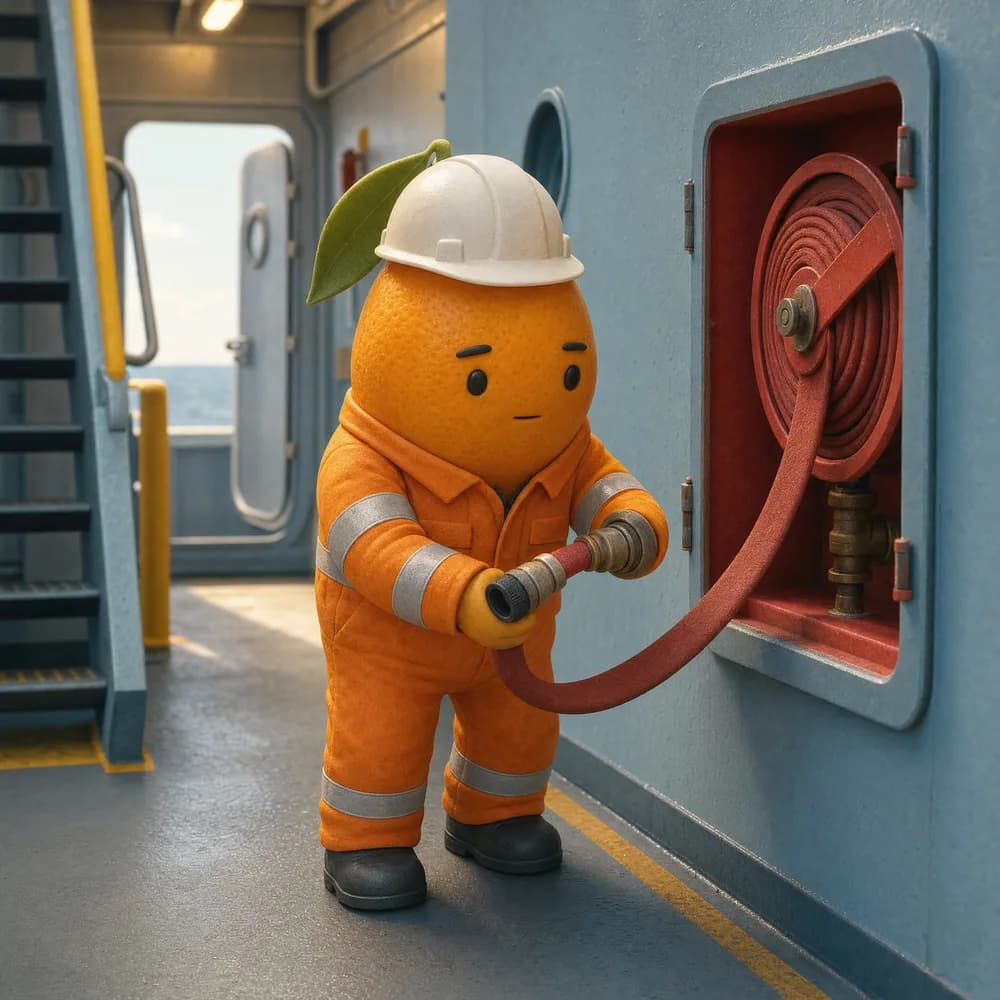
Fire protection
Portable extinguishers, hose reels, hydrants, and fixed systems down to their valve sets, pumps and cylinders. Every item on the register individually, not a count per compartment.
Fire protection and life saving appliances, serviced and recorded so the paperwork survives the survey.
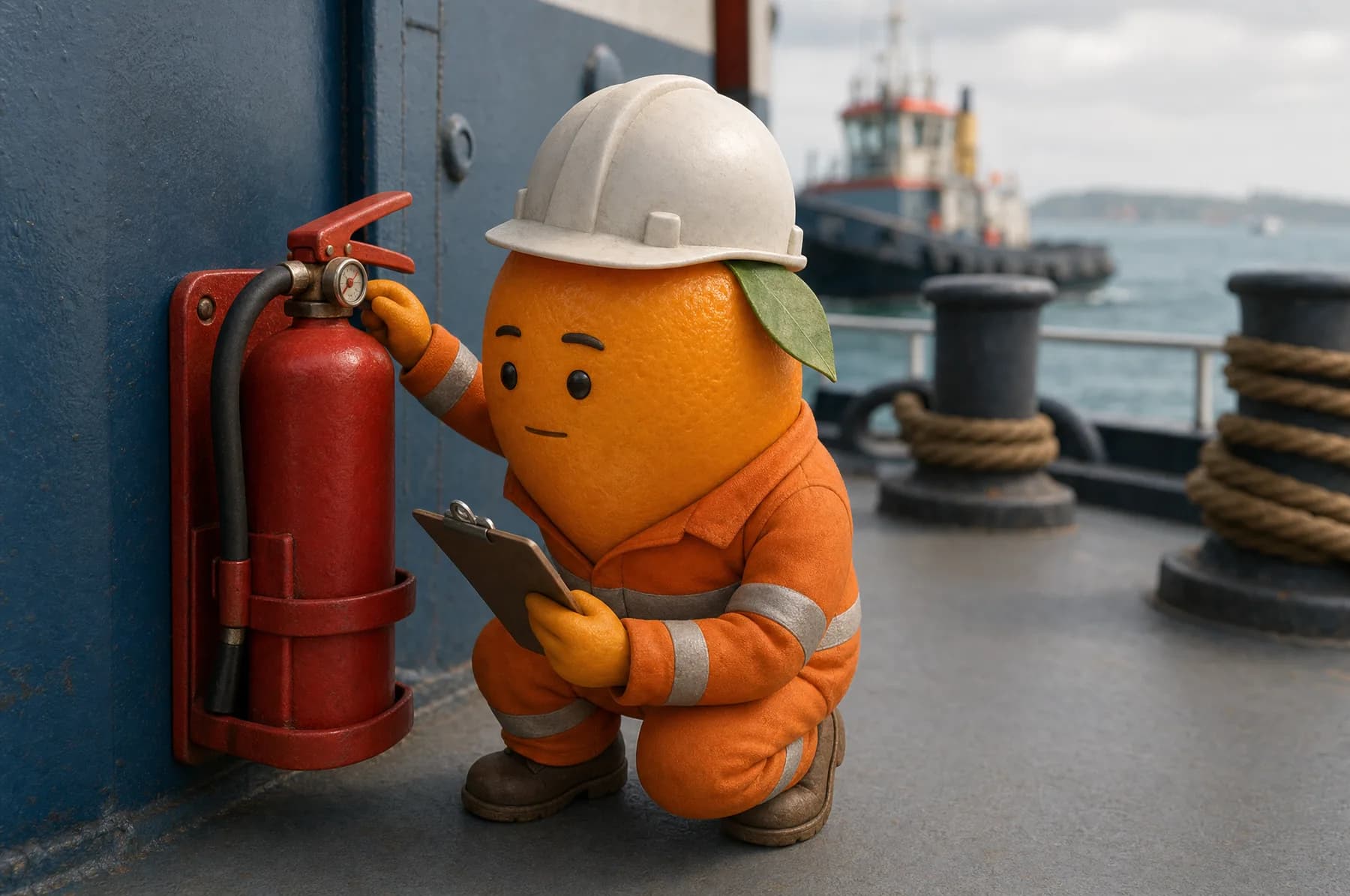
Vessels, offshore facilities and shore sites. Portable equipment through to fixed systems and launching appliances.
Portable extinguishers, hose reels, hydrants, and fixed systems down to their valve sets, pumps and cylinders. Every item on the register individually, not a count per compartment.
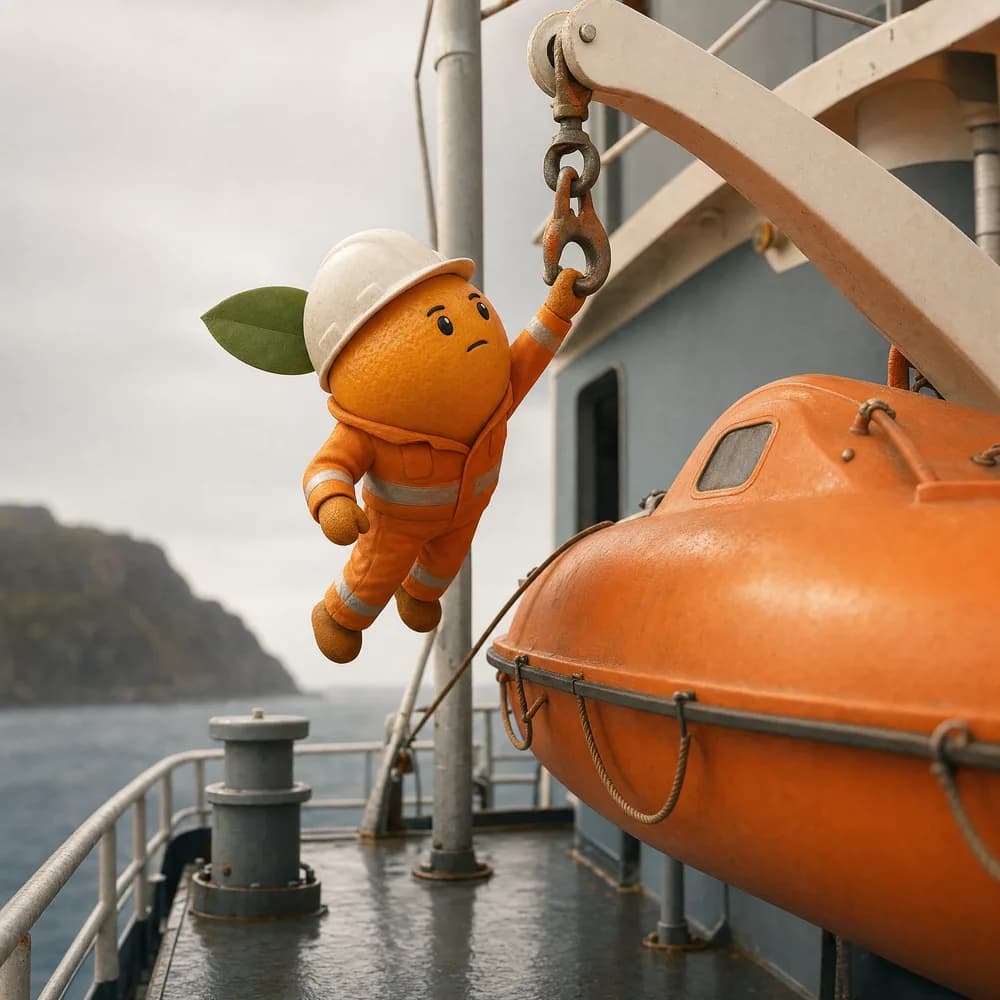
Lifeboats, rescue boats, davits and release gear, liferafts, immersion suits and EEBDs. Release gear and launching appliances need a technician certified for that make and model, so who attends is part of the scheduling, not an afterthought.
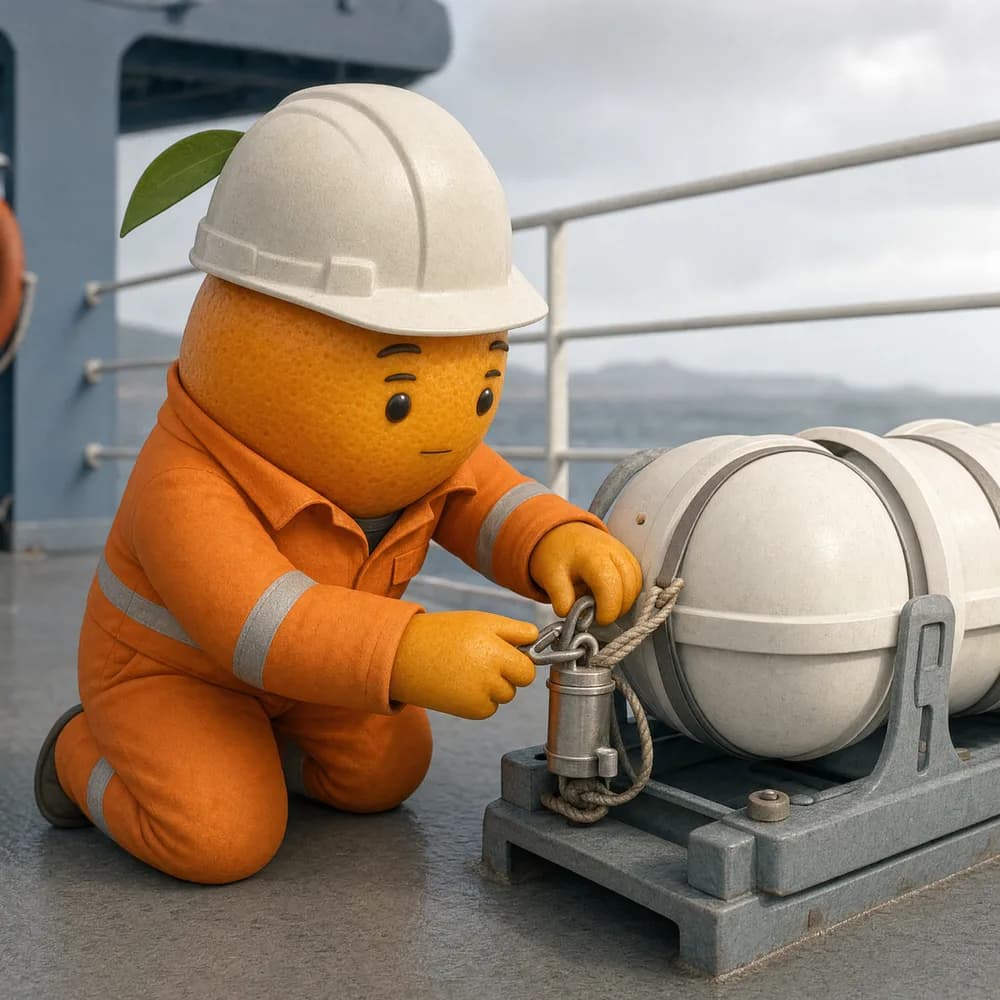
A record of a system's as-installed condition and design parameters. AS 1851 expects it before routine servicing means very much, and its absence is a common finding. Where a legacy install cannot have it established, we record that too, and what it limits.
Anyone can hang a tag on a bottle.
What matters is two years later, when a surveyor asks a question about a specific extinguisher on a specific deck. Which standard applied on the day it was serviced. What that standard required. Who did the work and what they were certified to do. When the defect was found, when you were told, and by when it had to be fixed.
A register that cannot answer those questions is a filing cabinet. We built ours so that it can, and so that nobody, including us, can quietly change the answer afterwards.
The standards that set the intervals, the task lists and the qualifications behind every record we produce.
Tell us what equipment is aboard and when it was last looked at. If there is no baseline data and no service history, say so. That is a normal place to start and it changes what we do first, not whether we can help.
Existing client? Sign in to the platform.